Plants Watercolor Clip Art: A Designer’s Real-World Embroidery Review
First Impressions: Soft, Organic, and Versatile
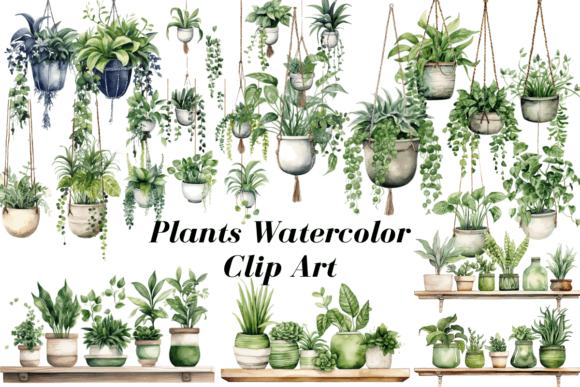
Opening the Plants Watercolor Clip Art file, I was immediately struck by its gentle, painterly aesthetic. This isn’t a bold, graphic design — it’s one that leans into subtlety and texture. The watercolor effect gives it a soft, almost dreamy quality that feels handmade and artistic. The plant motifs are varied — some are leafy, others floral — and they’re arranged in a way that feels organic rather than overly composed.
From a design standpoint, this clip art feels like it was made for embroidery that needs a touch of nature without being too literal. It has a botanical charm that would work well in nursery decor, baby items, or women’s apparel. It’s the kind of design that whispers rather than shouts, which makes it ideal for a more refined, minimalist embroidery project.
Real-World Use: From Tote Bags to Sweatshirts
I tested this design on a few different mockups to see how it would translate into actual products. On a tote bag, it added a quiet elegance — not too busy, not too plain. The soft lines and muted tones worked well with linen and canvas fabrics, giving the finished piece a boutique feel. For Etsy sellers or small shop owners, this could be a go-to embroidery for seasonal tote collections.
On a sweatshirt mockup, the design held up surprisingly well. The watercolor look softened the bulkiness of the fabric, and the botanical theme gave it a modern, slightly bohemian edge. I could see this working for women’s loungewear or gender-neutral hoodies in a small apparel line.
What Works Well for Embroidery?
- Soft color transitions – The watercolor style mimics shading, which can be achieved with layered fill stitches and thread blending.
- Organic shapes – Unlike geometric or highly detailed designs, these plant illustrations are forgiving in terms of stitch interpretation.
- Scalability – The design maintains its character at different sizes, making it useful for both small accents and larger centerpieces.
- Layered use – It pairs well with text or other botanical motifs, making it a strong candidate for personalized gifts or custom boutique branding.
Where to Be Cautious
As with any watercolor-style embroidery, there are some practical limitations. This design isn’t ideal for very small hoop sizes — the soft edges and subtle gradients can get lost when scaled down. If you’re making embroidered patches or baby onesies where space is limited, you may need to simplify or choose a different design.
On textured or stretchy fabrics like fleece or knits, the fluid lines may distort slightly during stitching unless you use the right stabilizer and adjust tension properly. I’d recommend testing on a similar fabric scrap before committing to a final product.
Dark fabrics also pose a challenge. The light color palette of the original Plants Watercolor Clip Art may not translate well without significant thread color adjustments. If you're planning to use this on black or navy garments, consider how the color contrast will affect the overall look.
Commercial Appeal and Product Value
For small business owners and Etsy sellers, this design brings a certain handmade sophistication that’s attractive to buyers looking for curated, artisanal products. It elevates a simple tote or tea towel into something with personality — and that’s what customers are often willing to pay a premium for.
In terms of brand consistency, this design could easily become part of a botanical or nature-themed product line. Whether you’re making nursery wall art, embroidered aprons, or bridal shower gifts, the Plants Watercolor Clip Art offers a cohesive visual thread that ties different items together.
From a giftability standpoint, it’s strong. It reads as thoughtful and delicate — perfect for baby showers, housewarming gifts, or Mother’s Day items. And because it’s versatile in size and style, it can be used across multiple product types without feeling repetitive.
Designer Notes: What to Check Before Stitching
Before using this in a real embroidery project, here are a few things I always test:
- Stitch clarity – Does the design hold up when stitched in different thread colors?
- Thread contrast – Does the original watercolor palette translate well to solid embroidery threads?
- Stabilizer use – Especially on soft or stretchy fabrics, proper stabilization is key to preventing puckering.
- Hoop size – Make sure the design fits your machine’s hoop without crowding or distortion.
- Detail retention – Check small leaf veins or soft edges — do they stitch cleanly or get lost?
- Licensing – Confirm whether the design can be used for commercial embroidery or digital product resale.
Final Thoughts: A Solid Choice for Nature-Inspired Embroidery
Overall, Plants Watercolor Clip Art is a well-crafted, aesthetically pleasing design that offers a lot of creative flexibility. It’s not the flashiest embroidery file out there, but it doesn’t need to be. It’s the kind of design that quietly enhances a product — making it feel more personal, more intentional.
If you’re an embroidery designer or small business owner looking to add a touch of botanical elegance to your work, this design is worth a closer look. Just remember to test it thoroughly, especially if you're using it on challenging fabrics or in commercial products. With a bit of planning, it can become a staple in your embroidery toolkit.