Cactus and Succulents Watercolour Clipart: A Blog Designer’s Review for Real Content Publishing
First Impressions: Soft, Artistic, and Nature-Inspired Editorial Design
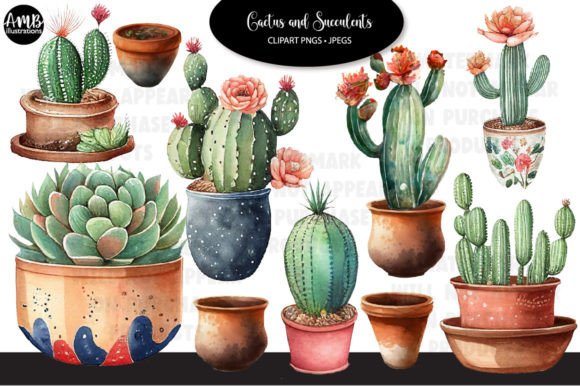
Opening up the Cactus and Succulents Watercolour Clipart collection, I was immediately drawn to the soft textures, organic lines, and gentle color palette. This graphic design asset feels like a breath of fresh air for content creators looking to infuse their blog graphics, editorial layouts, and digital guides with a natural, handcrafted touch. It leans heavily into an artistic, lifestyle-focused aesthetic that’s perfect for niches like gardening, wellness, home decor, eco-friendly living, and botanical content marketing.
The watercolor style gives it a painterly feel, making it feel less digital and more like a curated visual element you’d find in a print magazine or artisanal publication. It's not bold or attention-grabbing in a loud way, but rather in a subtle, elegant way that builds reader trust and enhances the visual storytelling of your content.
How Cactus and Succulents Watercolour Clipart Elevates Real Publishing Workflows
In my experience designing for content websites and affiliate blogs, visual consistency is key to building a strong brand identity. This design asset works exceptionally well in several real-world publishing scenarios:
- Blog featured images – Adds a soft, thematic background that complements plant-based or lifestyle content
- Pinterest pins – The organic shapes and colors help visuals stand out without overwhelming the text overlay
- Newsletter headers – Enhances the editorial feel of email marketing campaigns, especially for nature or DIY niches
- Digital guides and worksheets – Brings a touch of elegance to downloadable printables and lead magnets
- Social media graphics – Works beautifully in Canva templates for Instagram stories, Facebook posts, and Reels thumbnails
- Website headers and category thumbnails – Helps establish a visual language that readers can instantly recognize and connect with
Supporting Content Performance with Visual Hierarchy and Brand Consistency
One of the biggest challenges for bloggers and digital publishers is making content feel professional without overdesigning. Cactus and Succulents Watercolour Clipart strikes a great balance—it’s decorative enough to add visual interest, but not so busy that it distracts from the message.
Using this asset in your editorial design can:
- Improve first impressions by adding warmth and creativity to your blog graphics
- Enhance visual hierarchy when layered with text or other design elements
- Increase click-through rates on Pinterest and social media by standing out in feeds
- Strengthen brand consistency across blog posts, newsletters, and digital products
- Build reader trust through a polished, cohesive visual identity
- Boost category recognition by using consistent visual motifs across your website
This is especially important for small business branding and affiliate marketing, where the professionalism of your visuals can directly influence conversion rates and audience perception.
Where This Design Asset Works Best: From Hero Images to Content Upgrades
After testing the Cactus and Succulents Watercolour Clipart in a variety of real publishing layouts, here are the places where it truly shines:
- Hero images – Perfect for lifestyle blogs and plant-based websites needing a soft, welcoming header
- Article thumbnails – Adds a natural flair that complements eco-friendly or wellness content
- Newsletter headers – Gives your email campaigns a custom, editorial look
- Downloadable resources – Ideal for digital guides, eBooks, and worksheets that need a gentle, organic feel
- Content upgrades – Enhances the perceived value of lead magnets like checklists and printables
- Social media previews – Blends well with pastel color schemes and minimalist layouts on platforms like Instagram and Pinterest
When to Use With Caution: Avoiding Design Overload and Visual Mismatch
While this graphic design asset has a lot going for it, there are a few situations where it may not be the best fit:
- Small mobile thumbnails – The fine details can get lost on tiny screens
- Text-heavy blog images – May reduce readability if not layered carefully
- Low-contrast backgrounds – Needs a clean backdrop to really pop
- Busy layouts – Can clash with other decorative elements or fonts
- Serious professional niches – Doesn’t align well with corporate or finance content
- Minimalist web design – Might feel out of place if your brand leans ultra-clean and modern
Publisher’s Checklist: Practical Tips for Using Cactus and Succulents Watercolour Clipart
Before integrating this design asset into your content marketing strategy, make sure to test and optimize it for performance and compatibility:
- Preview on desktop and mobile – Ensure it scales well and maintains clarity across devices
- Test as a thumbnail – Check how recognizable it is in small sizes
- Place inside a real blog layout – See how it interacts with headlines, body text, and call-to-action buttons
- Layer with headline text – Confirm it doesn’t interfere with readability or visual flow
- Try in black and white – Some watercolor textures lose impact when desaturated
- Pair with different fonts – Works best with script, handwritten, or display fonts; test with serif and sans serif too
- Review file size – Compress images to keep your website loading fast
- Verify licensing – Make sure it includes a commercial license for use on monetized blogs, affiliate pages, or paid digital products
Final Thoughts: A Versatile Design Asset for Lifestyle and Botanical Content
For bloggers, online educators, creative entrepreneurs, and affiliate marketers in nature-inspired niches, Cactus and Succulents Watercolour Clipart is a valuable addition to your design toolkit. It brings a sense of warmth, creativity, and editorial polish that can elevate your blog visuals, social media presence, and digital product offerings.
Used thoughtfully, this design asset supports a cohesive visual identity that readers will recognize and trust—making your content not only more clickable, but more memorable. Whether you're building a Canva template library, designing a digital guide, or creating Pinterest-optimized blog graphics, this clipart collection is worth exploring for its editorial quality and visual storytelling potential.